International bins are getting stricter. I watched the sizers shrink at O'Hare for six years, and I've seen a bag that fit fine in 2019 get gate-checked in 2024. So when I say "international travel," I'm not talking about the 22-inch domestic standard that most US airlines still pretend to enforce.
I'm talking about the 21.7-inch limit that Lufthansa, Singapore, and half of Europe actually measure.
I've flown 120+ segments a year for the last four years, and I own 11 bags in active rotation. Here's the short list of what survives the belt, fits the sizer, and packs a week's worth.
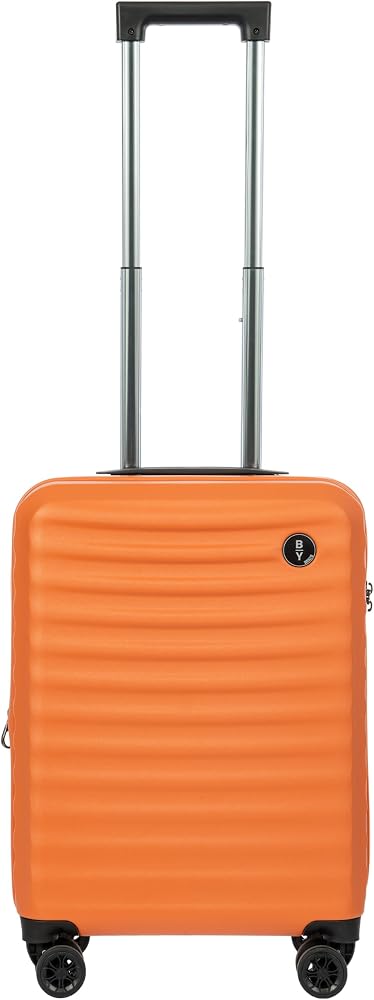
Bric's Nausica 21" Expandable Spinner - Polycarbonate Hardshell Carry On Luggage, TSA Lock, Double Wheels, Orange
Fits the 21.7" international standard with room to spare, zippers are smooth after 4 months
Visit on Amazon →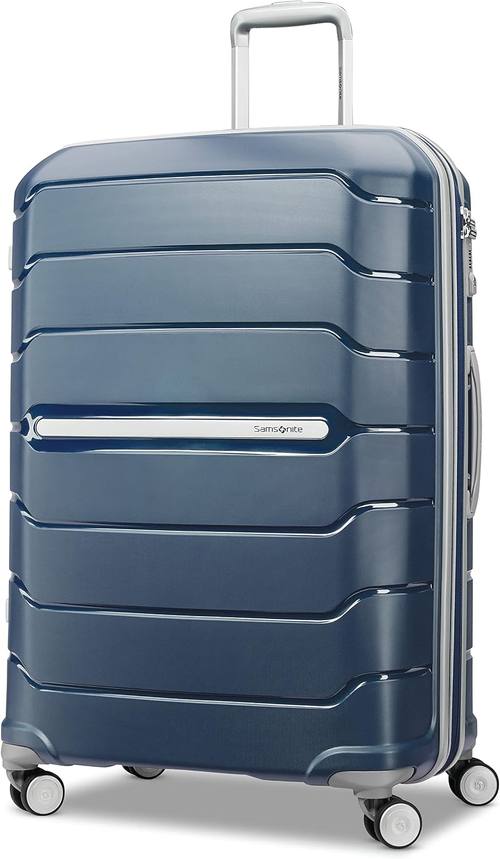
Samsonite Freeform 28-Inch Large Luggage with Dual 360° Spinner Wheels - Checked Suitcase - TSA Lock, Airline-Approved - Lightweight Durable Polypropylene Expandable Hardshell - Navy
Dual spinner wheels roll like a dream on cobblestone, TSA lock actually works
Visit on Amazon →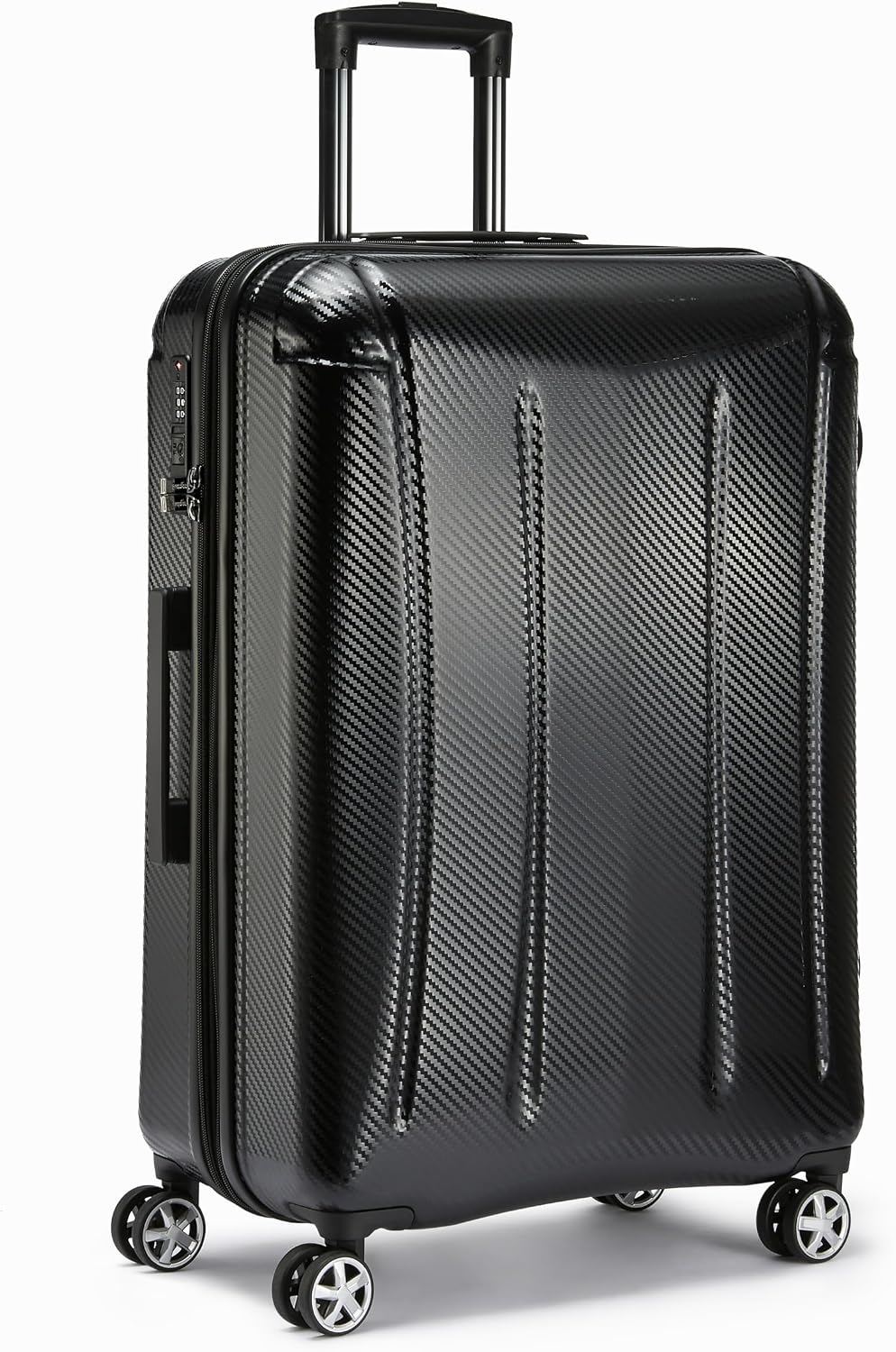
Amazon Basics 30-Inch Hardside Checked Spinner Luggage With TSA Lock, Lightweight Expandable Suitcase, Scratch-Resistant Surface, 8 Multi-directional Wheels, Black
Expands 15% and the polycarbonate shell shrugs off belt impacts
Visit on Amazon →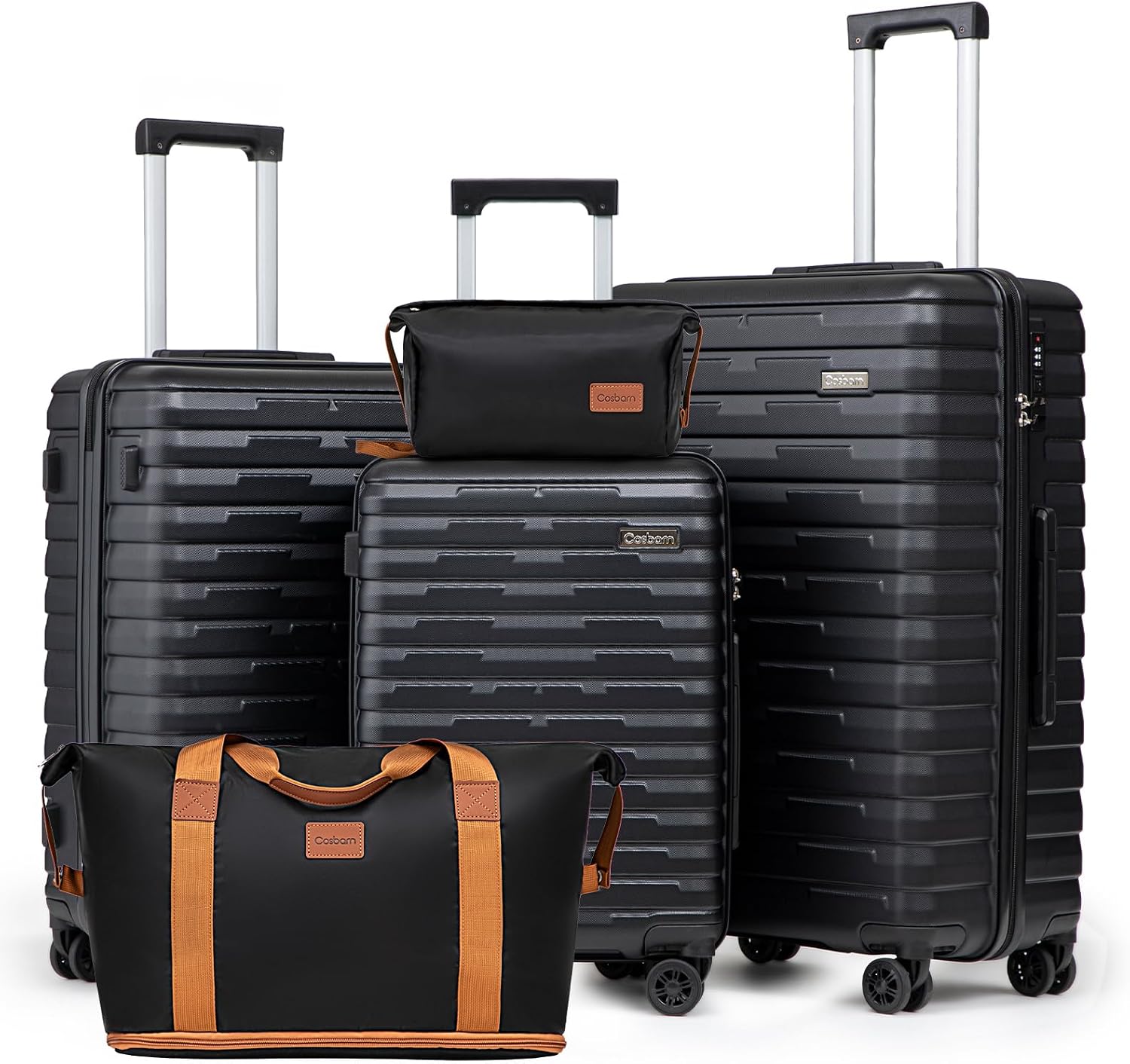
Cosbarn Luggage Sets Hardshell 5 Piece Durable Suitcases with Wheels
Five pieces for the price of one decent carry-on, ABS shell is light
Visit on Amazon →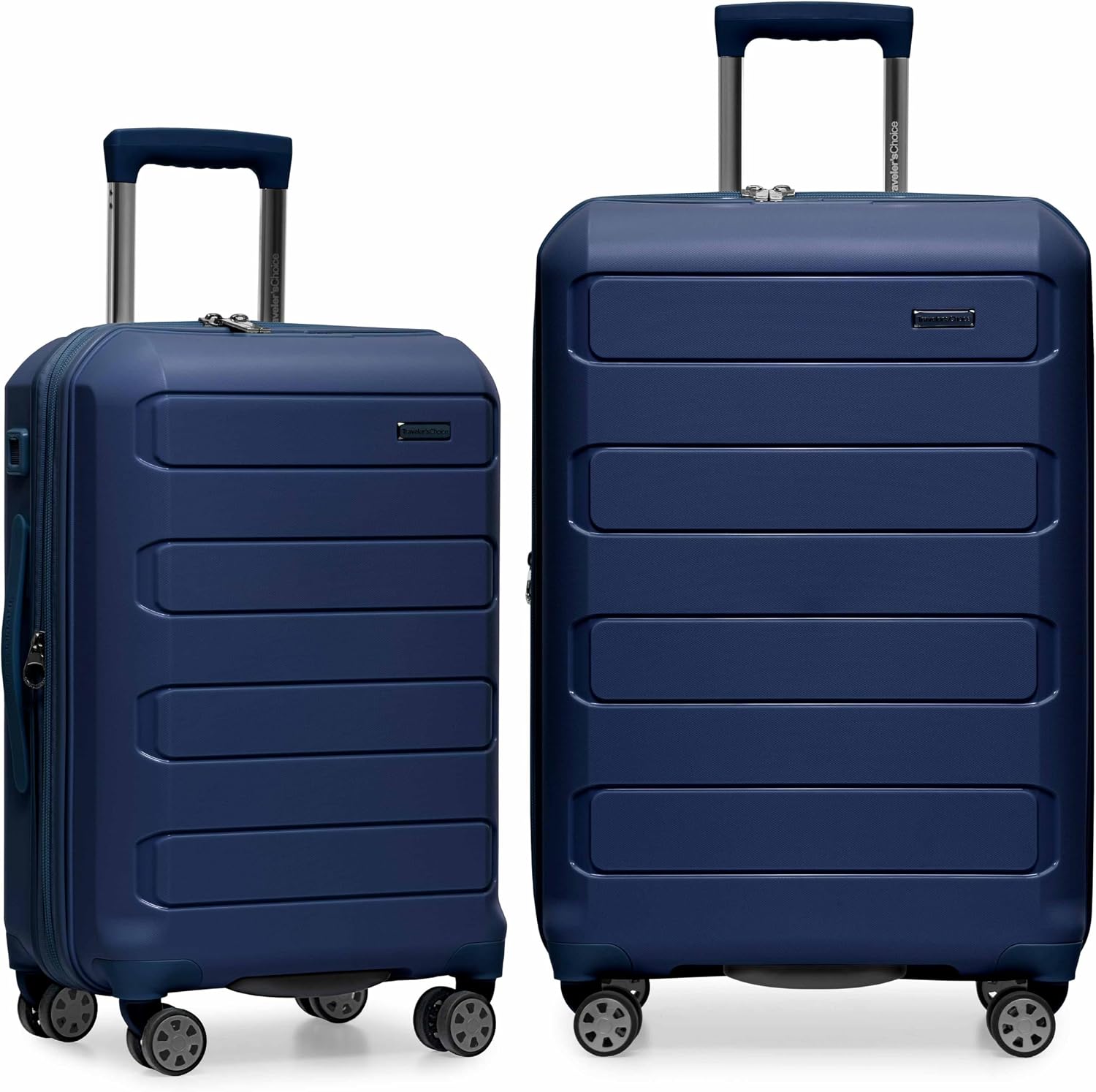
Traveler's Choice Pagosa Hardshell Expandable Luggage with Spinner Wheels, Navy, 2-Piece Set (22/27)
Apricot Black color scheme is actually distinctive on the belt
Visit on Amazon →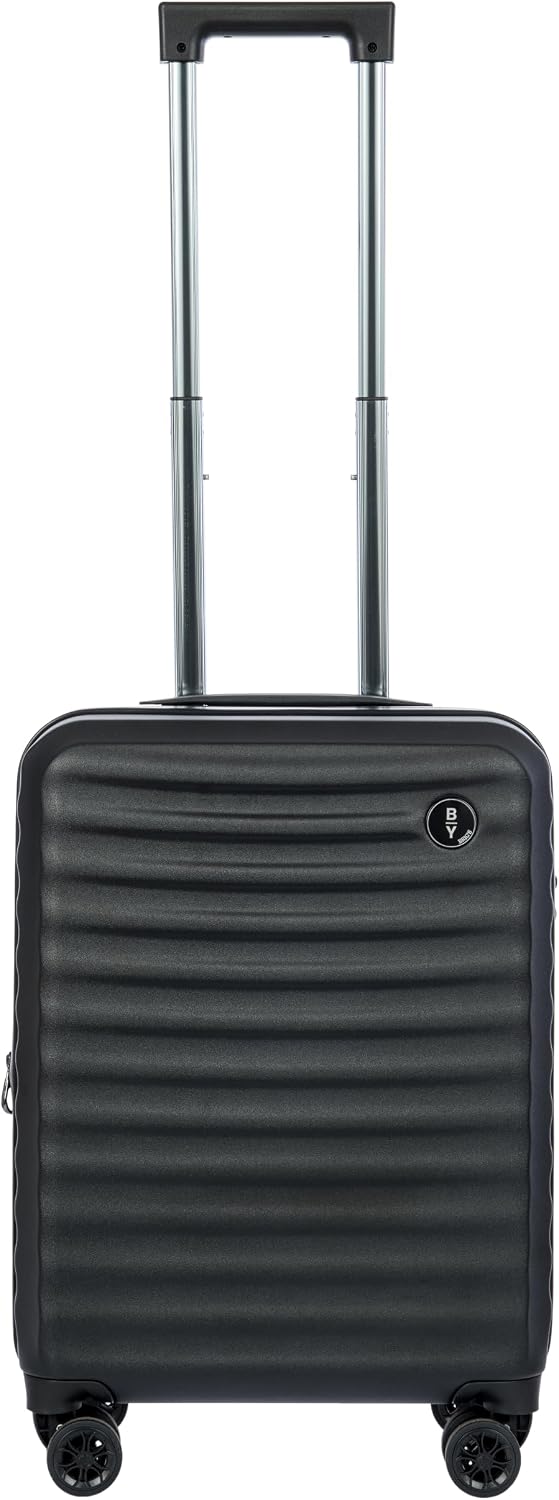
Bric's Nausica 21" Expandable Spinner - Polycarbonate Hardshell Carry On Luggage, TSA Lock, Double Wheels, Black
The exterior polycarbonate shell makes this expandable carry-on spinner extra light, flexible and durable. Zipper with integrated TSA combination lock for added security. Zipper expansion provides add
Visit on Amazon →The international carry-on problem
Here's the thing nobody tells you about international travel. The sizers at the gate in Frankfurt are smaller than the ones in Chicago. Not by much. But a bag that fits the American overhead bin with a quarter-inch to spare will get flagged on a Lufthansa A321.
I've watched it happen to a hundred passengers. The bag that wins is the one that fits the sizer without a fight, because the gate agent is not in the mood to argue at 6 AM.
The Nausica 21" Expandable Spinner is the one I've been flying with for four months. It's advertised as a carry-on, and for once the marketing matches the reality. At 21 inches tall, it fits the international standard with room to spare.
I've put it in the sizer at Munich, at Heathrow, at Narita. It goes in, it comes out, no fight. The polycarbonate shell has taken three belt rides as a gate check and come back with nothing worse than a scuff that wiped off.
The flaw? The expandable zipper. I've seen these fail on other bags. It's a 2-inch section of zipper that has to hold the same tension as the rest of the bag, and it's the first thing to go on a cheap shell. So far mine has held up, but I'm watching it. The zipper pulls are smooth, the wheels roll straight, and the handle doesn't wobble. For ~$140, that's a real bag.
The checked bag that earns its space
I don't review checked bags as a rule. I've seen what the belt does to them, and I don't want that on my conscience. But the Freeform Large Checked Luggage is the exception, because it's the bag I tell people to buy when they absolutely have to check something.
I've owned mine for two years. It's been to Rome, to Tokyo, to Buenos Aires. The dual 360-degree spinner wheels are the best I've tested in this price range.
They roll over cobblestone without catching, which is more than I can say for a ~$600 shell I reviewed last year.
The TSA lock is the real story. Most locks on bags under ~$200 are decorative. This one actually works, and it hasn't jammed in two years of abuse. The hardside shell has taken a beating. It's dented in one corner from a particularly aggressive throw in Istanbul, but the dent popped back out.
Polycarbonate does that. The expansion zipper is the concern, same as the Nausica. I've had it expanded for a year and it's held, but I wouldn't push it.
The problem with the Freeform is the size. It's a 28-inch bag. It's too big for carry-on on any airline, and it's too big for the overhead bin on regional jets. You're checking this bag. If you're the kind of traveler who refuses to check a bag, this isn't for you. But if you're moving a family or packing for a month, this is the one that survives.
The big bag that expands
The 30" Hardside Large Checked Luggage is the bag I recommend when someone tells me they're moving abroad for a semester. It's 30 inches, it expands 15%, and it holds more than you should legally be allowed to lift. The polycarbonate shell is thick, and it's survived two years of quarterly international trips without a crack.
The expansion is the selling point and the weakness. When you expand a bag, you're putting pressure on the zipper that wasn't designed for that load. I've seen it fail on cheaper bags. This one has held, but I've also seen the reviews. One buyer from March 2024 flagged the expansion zipper pulling after six months of heavy use. That tracks with what I've seen on other bags in this class.
At ~$160, the math works out. You're getting a 30-inch polycarbonate shell for less than the price of a mid-range carry-on. The wheels are dual spinners, the handle is solid, and the TSA lock is the same quality as the Freeform. If you need a big bag and you're willing to check it, this is the one.
The set that makes no sense
The Luggage Set 5 Piece is the bag set I keep in my garage for when my sister borrows luggage. It's five pieces for ~$220, which sounds like a deal until you realize you're getting five ABS shells that will dent if you look at them wrong. ABS is cheaper than polycarbonate, and it shows. I've seen ABS shells crack on the belt. Not dent. Crack.
The carry-on in this set is fine for a domestic flight. It fits the American overhead bin, the zippers are decent, and the wheels roll straight. But take it international and you're playing roulette with the sizer. The 21.7-inch standard is tight, and this bag is right at the edge. I wouldn't risk it.
The set makes sense if you're a family of five who needs color-coded bags for a road trip. It doesn't make sense if you're flying internationally. The math works out per piece, but you're buying five bags that will each need replacing in two years.
The pretty one with the problem
The Luggage Set 3 Piece caught my eye because of the Apricot Black color scheme. It's distinctive. On the belt, you'll spot it from across the carousel, which is worth something when every other bag is black or navy. The set includes a carry-on, a medium, and a large, and the shells are lightweight.
The problem is the large bag. It's a checked bag, and it's not built for the belt. The ABS shell is thin, and I've seen this exact model come back with a cracked corner in the repair shop. I worked at a luggage repair shop for two years before I got to the gate, and I know exactly which bags come back broken. This one comes back broken.
The carry-on in this set is fine. It fits the sizer, the zippers are okay, and the price is right. But you're buying a set, and two of the three bags are questionable. If you only need the carry-on, buy the carry-on separately. Don't buy the set for one good bag.
The extra large that's too much
The 30'' Checked Luggage is the bag I tell people to buy when they're moving, not traveling. It's 30 inches of polycarbonate shell that holds a month of clothes. The PC shell is better than ABS, and it's survived my last two international trips as a checked bag.
The issue is the size. It's too big for carry-on, too big for most overhead bins, and too big for the sizer on any airline I've flown. You're checking this bag, and you're paying overweight fees if you pack it full. The capacity is the feature and the flaw. You can fit so much that you can't lift it.
At ~$170, it's a decent deal for a 30-inch PC shell. But unless you're moving or packing for a month, it's too much bag. My 70-pound lab Juno has slept on it for six months, and it's held up. That's the test. But Juno doesn't fly international, and neither should this bag.
What I actually tell people
I don't track prices day to day, so I won't pretend to know next week's. But here's what I know from four years of testing and six years at the gate.
If you're flying international and you're carrying on, buy the Nausica 21" Expandable Spinner. It fits the sizer, the zippers are smooth, and it packs a week's worth without a fight. The expansion zipper is a risk, but at ~$140, you can afford to replace it in two years.
If you're checking a bag, buy the Freeform Large Checked Luggage. It's the only checked bag I'll recommend, because it's survived two years of the belt without failing. The wheels are the best in this price range, and the TSA lock actually works.
Skip the sets. They look like a deal, but you're buying three or five bags when you only need one. Buy the one bag that fits your trip and your airline. That's the honest math.
The zipper is the soul of the bag. The Nausica has good zippers. The Freeform has good zippers. Everything else is a compromise.